
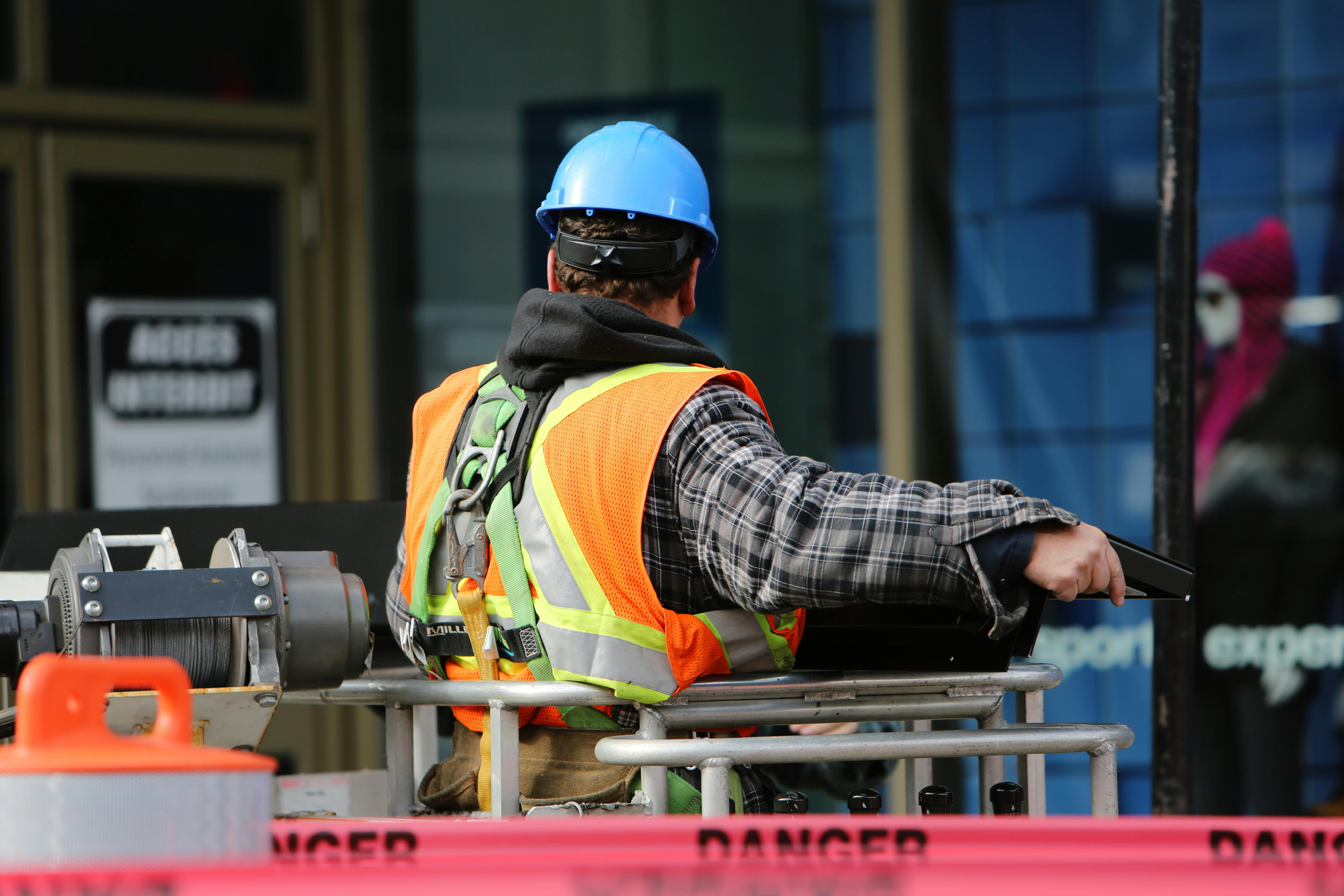
The new year is officially upon us, and with it come a whole new set of resolutions, goals, projects and HSE inspections. Whether you’re in the construction, manufacturing or warehousing industry, Health and Safety Executive inspections are a critical part of keeping your business safe, risk-free and compliant.
HSE inspections are rarely announced in advance, so making sure you’re properly prepared is critical, as the HSE inspections really can happen at any time. When you start 2026 off on the right foot and prepare proactively, you can help stay compliant, protect your employees and avoid any potential expensive fines.
Here’s how your business can prepare most effectively for upcoming HSE inspections in 2026.
Review Your Policies
When you begin the new year, you should start by reviewing the health and safety policies of your business. You should ensure that all of your policies are regularly reviewed and remain relevant as we begin the new year.
Some of the things you should look out for are that your policy reflects your current operations, workforce size and activities you undertake at work. You should also check that all roles and responsibilities are clearly defined and that they are signed and dated by a member of your senior team.
HSE inspectors will often check your policies early in an inspection, so making sure they’re up-to-date can really set you off on the right foot at the beginning of your inspection.
Update Your Risk Assessments
Risk assessments are one of the areas that HSE inspectors are going to look at most closely during a routine inspection, so reviewing them is key to making sure they’re always up-to-date.
You’ll need to make sure your risk assessments reflect your current equipment and practices at work, account for any new hazards or dangers and include the safety precautions you are implementing on your site.
Check Training
You need to make sure your team is properly trained and that their training is properly recorded. As part of your 2026 new year review, you should make sure that all your mandatory training is up to date, your team’s certifications are valid and that all these records and certificates are easily accessible.
HSE inspectors won’t just ask if your team has had the training; they will ask for evidence, so make sure your certifications are easy for you to find so that you can show inspectors.
Conduct Your Own Inspections
One of the best ways you can ensure preparedness, not just for yourself but also for your team, is to regularly conduct your own inspections to see where there are any gaps.
Regular internal inspections can help you see any issues early and make it easier for you to address them before an actual HSE inspection is undertaken.
Service Your Equipment
When it comes to ensuring compliance, you need to make sure that your workplace safety equipment (like key clamps and roof access equipment) is regularly serviced and aligns with current safety standards ahead of inspections.
You’ll want to check your maintenance schedules, records of servicing and evidence that defects are reported and fixed quickly. Often, HSE inspectors will examine equipment and ask for supporting documents to ensure your equipment is up to date.
Proper Preparation Is Key
When you stay properly prepared for any upcoming HSE inspections, it’s not just about ticking boxes. It’s about creating a safer workplace for yourself and your employees. When you use the start of 2026 to reset and realign, you can ensure you’re best prepared for a surprise visit from an HSE inspector.
Prevent accidents, make significant changes, stay compliant and reduce the risk of disruptions to your work schedule by prioritising HSE preparedness. To ensure your equipment is up-to-date and aligns with the most recent guidelines, you can get in touch with a member of our Lockinex team today.